
Building a Multi Tenant SaaS Application Architecture and Challenges
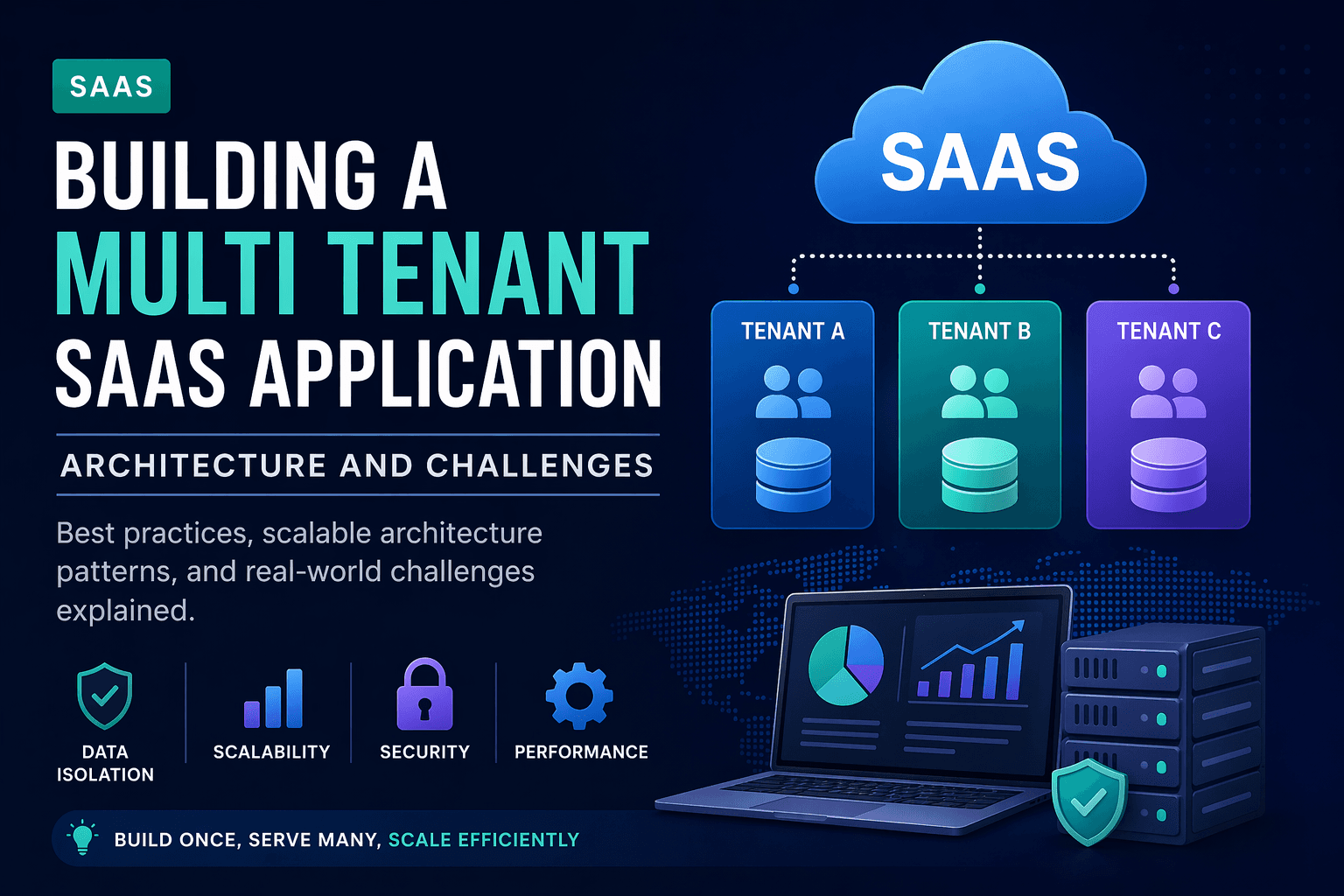
Building a multi tenant SaaS application is one of the most important architectural decisions in modern web development. Instead of creating separate deployments for each customer, a single application serves multiple tenants while maintaining strict data isolation, security, and performance.
This approach is widely used in SaaS products because it reduces cost, improves scalability, and allows faster feature delivery. However, designing a scalable multi tenant SaaS architecture comes with its own challenges.
In this guide, we will explore how to design, build, and scale a multi tenant SaaS application along with real-world challenges and best practices.
What is a Multi Tenant SaaS Application
A multi tenant SaaS application is a software system where a single instance of the application serves multiple customers (tenants). Each tenant has its own data, users, and configurations, but shares the same codebase and infrastructure.
For example, platforms like CRMs, project management tools, and marketplaces often use multi tenancy to serve thousands of users efficiently.
- Single application instance
- Shared infrastructure
- Logical data isolation
- Centralized deployment and updates
Why Multi Tenant Architecture is Important
Choosing multi tenancy is not just a technical decision it directly impacts business scalability.
Cost Efficiency
Infrastructure costs are reduced because resources are shared across tenants instead of being duplicated.
Scalability
New tenants can be onboarded without deploying new environments, making scaling faster and easier.
Faster Updates
Deploy once and all tenants get the latest features instantly.
Centralized Management
Monitoring, logging, and debugging are easier when everything runs in a single system.
Multi Tenant SaaS Architecture Patterns
One of the most critical decisions when building a multi tenant SaaS application is choosing the right data architecture.
Shared Database Shared Schema
All tenants share the same database and tables, with a tenant ID column used to separate data.
- Simple to implement
- Low infrastructure cost
- Higher risk of data leakage if not handled properly
Shared Database Separate Schema
Each tenant has its own schema within the same database.
- Better data isolation
- Moderate complexity
- Balanced approach for most SaaS apps
Separate Database per Tenant
Each tenant gets its own database.
- Strong data isolation
- Higher cost
- Ideal for enterprise-level applications
Core Components of a Multi Tenant SaaS Application
Tenant Identification
Tenants are usually identified using subdomains (tenant1.app.com) or custom domains. This allows routing requests to the correct tenant context.
Authentication and Authorization
Secure authentication is critical. Implement role-based access control (RBAC) to manage permissions across users within each tenant.
Data Isolation
Ensuring tenant data is properly isolated is the most important requirement in any SaaS application.
Configuration Management
Each tenant may have different settings such as themes, features, or limits. These configurations should be dynamically managed.
Billing and Subscription
Handle plans, usage limits, and payments for each tenant independently.
Monitoring and Logging
Track performance, errors, and usage per tenant to maintain reliability.
Challenges in Building a Multi Tenant SaaS Application
Data Isolation Complexity
Preventing cross-tenant data access is critical. A small mistake can lead to serious security issues.
Noisy Neighbor Problem
One tenant consuming excessive resources can affect others. Proper rate limiting and resource allocation are required.
Scalability Challenges
As the number of tenants grows, database queries, caching, and infrastructure must scale efficiently.
Customization Per Tenant
Different tenants may require custom features or UI changes, which can increase complexity.
Deployment Risks
A single bug in deployment can impact all tenants, making testing and CI/CD pipelines critical.
Best Practices for Multi Tenant SaaS Development
- Always enforce tenant isolation at every layer (database, API, frontend)
- Use middleware to inject tenant context in every request
- Implement caching strategies to improve performance
- Monitor tenant usage and apply rate limiting
- Automate tenant onboarding for better scalability
- Use feature flags for tenant-specific features
Frontend Considerations for Multi Tenant Apps
On the frontend, frameworks like React and Next.js are commonly used to handle dynamic tenant-based rendering.
- Dynamic routing based on tenant
- Theme switching per tenant
- Role-based dashboards
- Secure API communication
Using a centralized state management system helps maintain tenant context across the application.
Real World Example
In a marketplace SaaS platform, each vendor acts as a tenant. They manage their own data, products, and users, while the platform maintains shared infrastructure.
This architecture allows thousands of vendors to operate independently while using a single system.
Conclusion
Building a multi tenant SaaS application requires careful planning, especially around data isolation, scalability, and performance. While it introduces complexity, the long-term benefits in terms of cost efficiency and scalability make it the preferred choice for modern applications.
If designed correctly, a multi tenant architecture can support thousands of users with a single deployment, making it a powerful foundation for any SaaS product.